Global chemical prices appear to be rising at the fastest rate in the last twenty years, due to the war in Iran, which is disrupting production and supply chains in the Middle East and Asia. This creates risks of shortages for Europe and leads to higher energy and raw material prices.
The crisis is changing the market structure: supply security is becoming more valuable, and prices for chemicals and plastics are expected to remain high through 2026. At the same time, pressure on producers in Europe and Asia is mounting, with potential plant shutdowns. Europe is already being hit hard, with polyethylene prices having nearly doubled. The impacts vary by region: countries dependent on the Middle East (e.g., South Korea) are hit hardest, while China is less affected due to self-sufficiency and stockpiles.
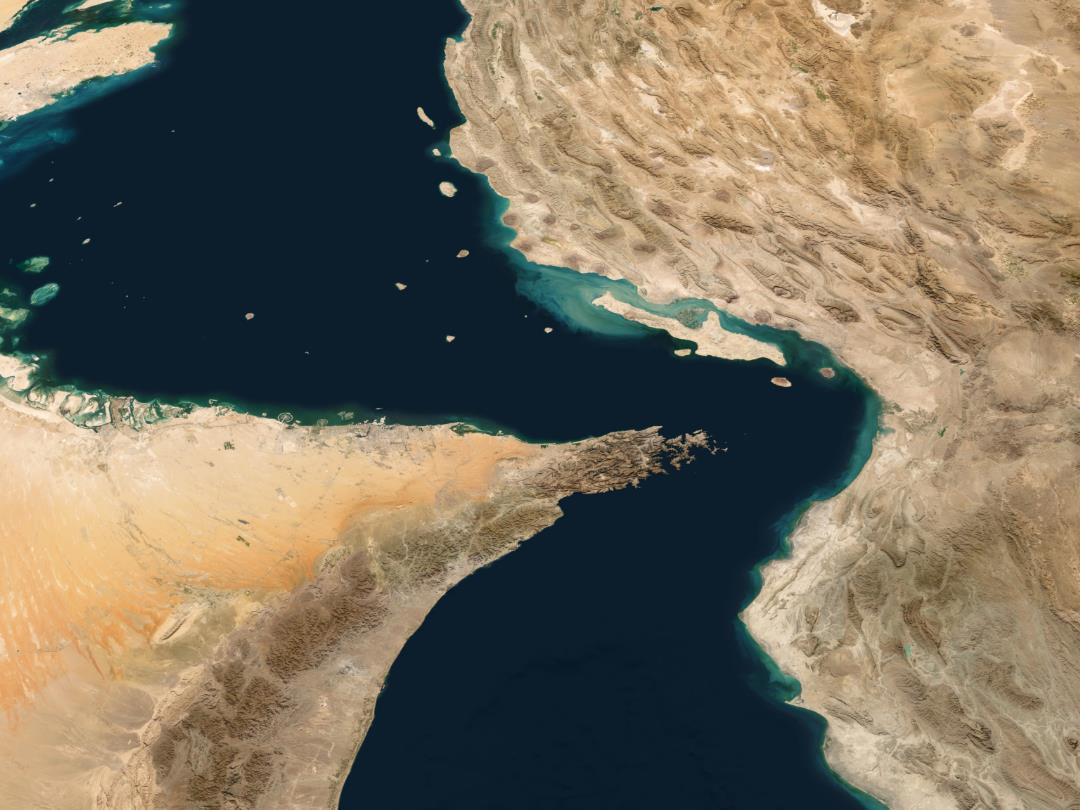
Exports from the Middle East are restricted (e.g., through the Strait of Hormuz), causing shortages in Asia. The U.S. can partially fill the gaps. However, the longer the conflict lasts, the slower and more difficult the recovery will be. Even after it ends, restoring production and the supply chain will take time, keeping prices high for a long time.
Source: “Why is the Strait of Hormuz crisis pushing up plastic prices?”