The Role of Books in the Home: Décor, Personality & Experiences
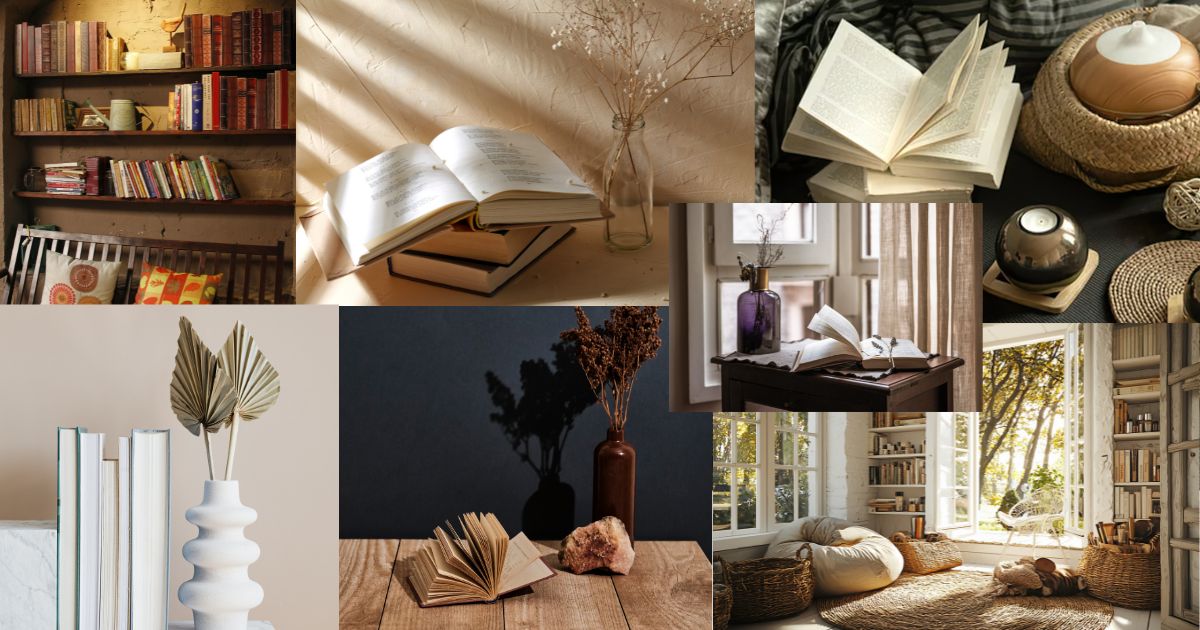
The way we approach interior design is constantly evolving. Books are no longer confined to the shelves of a bookcase; instead, they take center stage in shaping the aesthetics and atmosphere of a space.
Leading international interior design publications, such as Architectural Digest and ELLE Decor, highlight how displaying carefully curated editions in prominent locations — such as a coffee table, a console table, or a side table — transforms books into an integral structural element of the décor. International styling guides recommend using books to create layers, height, and visual balance (topography), turning flat surfaces into visually engaging focal points.
Decorating with Character: Identity, Evolution & Expression
Books bring texture, color, and, above all, identity into a space. As every collection is unique, books are among the most personal elements in a home. As interior designer Natalia Zubizarreta points out, they function as a living resource that evolves alongside the people who surround them.
To achieve a look that conveys intention and thoughtful curation, design experts recommend specific styling techniques and creative ways to incorporate books into the home:
- The Art of Stacking (Rule of Stacking): Create low, horizontal stacks of two to three hardcover books, arranged from largest to smallest, to establish stable visual foundations.
- Combining Books with Decorative Objects (Layering & Riser Function): Use horizontal book stacks as a base to elevate smaller decorative elements — such as a candle, sculpture, vase, or lamp — adding textural variety and breaking up the monotony of flat surfaces.
- Creating Rhythm on Shelves (Mixed Shelf Styling): Alternate between vertical and horizontal book arrangements on bookshelves. This technique introduces movement and depth while avoiding the rigid appearance of traditionally arranged shelves.
- Making Use of Architectural Features (Floor Stacking): Place oversized, statement books directly on the floor, next to an armchair or fireplace, to create a sense of effortless luxury.
- Achieving Color Balance (Color Accents): Choose book covers that either complement the room’s color palette for a calming effect or serve as bold accent pieces in neutral spaces.
- Displaying Open Pages (Interactive Display): Showcase an open book featuring a striking page or photograph. This technique draws the eye and naturally sparks conversation with guests.
Capturing Experiences Through Travel Books
The global phenomenon of travel books fits seamlessly into this philosophy. High-design international publications and luxurious travel book collections, such as the iconic editions by Assouline, are increasingly viewed by designers not simply as books, but as standalone works of art.
These carefully crafted hardcover editions feature vibrant, saturated colors, thoughtfully selected typography, and special finishes such as gold foil stamping and embossed details. Reflecting international design trends, travel books serve several distinctive functions in contemporary interior design:
- Creating a Visual Focal Point (Color Blocking & Pop of Color): Their signature, vibrant covers — from the coral hues of Capri and the turquoise tones of Mykonos to the yellow of the Amalfi Coast — are used by interior designers to introduce an instant splash of color and freshness into minimalist or neutral spaces.
- Nostalgic Storytelling and a Sense of Escape (Wanderlust & Storytelling): As design publications often suggest, these books function as “windows to the world.” Their high-resolution photography captures experiences and memories, bringing the atmosphere, light, and joyful moments of past travels into the present and the everyday life of the home.
- Curated Destinations (Curated Destinations): The choice of destinations is rarely random. Readers select titles that represent places they have visited and fallen in love with, or destinations that reflect their personal style and aspirations. In this way, the coffee table becomes a thematic map of their aesthetic interests and travel experiences.
- An Interactive Element of Hospitality (Interactive Styling): Displayed open on a book stand or with their covers facing outward (face-out styling), travel books invite guests to browse through their pages, transforming décor into a lively, immersive experience.